7 Sleep Habits Backed by Research (Not Hype)
Sleep Habits · 5 min read · Educational, not medical advice
Seven everyday sleep habits — from consistent wake times to morning light — with an honest look at what the evidence does and doesn't show.
There's no shortage of sleep advice online, and a lot of it is noise. Here are seven habits with a reasonable research basis — described honestly, including what they can and can't do.
1. Keep a consistent wake time
The most consistently recommended habit in sleep science: wake within about the same 30-minute window every day, weekends included. A steady wake time anchors your circadian rhythm, which in turn sets up the following night's sleep. It's easier to control than bedtime, and it's the one habit most experts would pick if they could only pick one.
2. Get morning light
Ten to thirty minutes of outdoor light within an hour or two of waking helps time your body clock — light is the strongest signal it receives. This isn't about vitamin D; it's about telling your brain when the day starts so melatonin is timed correctly at night.
3. Keep the bedroom cool, dark and quiet
A slightly cool room (many sleep researchers suggest around 18°C / 65°F, though comfort varies), blocked-out light and reduced noise support deeper, less-fragmented sleep. Blackout curtains and earplugs are cheap, one-off fixes with real effect.
4. Use the bed only for sleep
Strengthen the association between your bed and sleeping. If you're awake for more than about 20 minutes, get up and do something calm in dim light until drowsy — the classic stimulus-control advice used in cognitive behavioural therapy for insomnia (CBT-I).
5. Rethink alcohol
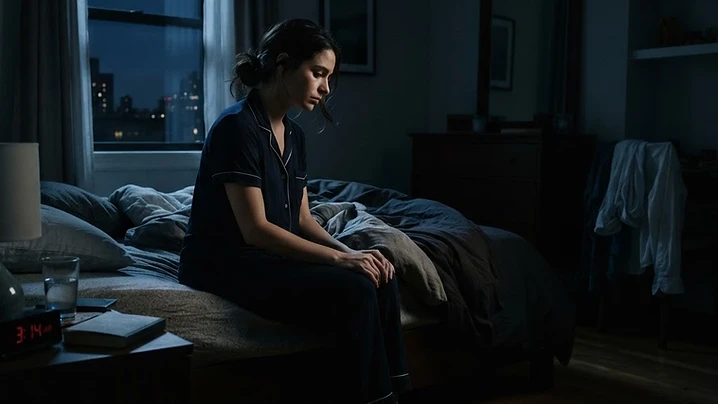
Alcohol shortens the time it takes to fall asleep, but it fragments the second half of the night and suppresses REM sleep — which is why "sleeping well" after wine so often means waking at 3 AM. If your nights are broken, it's one of the first things worth testing.
6. Wind down for two minutes
A consistent, tiny wind-down cue beats an elaborate routine you won't keep. We've written a simple two-minute bedtime routine you can start tonight.
7. Watch the afternoon coffee
Caffeine has a longer tail than most people realise — see how long caffeine really lasts, including why it can disturb sleep even when you fall asleep easily.
The honest caveat
These habits help most with ordinary, run-of-the-mill poor sleep. They are not a treatment for chronic insomnia — for that, the best-evidenced approach is CBT-I, and for symptoms like loud snoring with gasping, a medical assessment for sleep apnoea. Speak with a doctor if poor sleep persists for more than a few weeks or affects your days.
Want all seven habits as a simple step-by-step plan? Get the free 7-Night Better Sleep Habits Checklist.
This article is educational and is not a substitute for medical advice.
Written by
MyDailySleepTips Editorial Team
Our editorial team creates practical, evidence-based sleep education for adults who want better nights without gimmicks or hype. Every article is grounded in published research and written to be honest about what works, what's uncertain, and what's worth trying first.
- Written and reviewed by our editorial team, who research every topic against published sleep science.
- We qualify our claims — where evidence is strong we say so, and where it's mixed or early, we say that too.
Learn more about our standards and how we research.
Get our latest sleep tips
Practical, evidence-based tips straight to your inbox. No spam.
By subscribing you agree to receive occasional sleep tips by email. See our Privacy Policy.
Keep reading

Why Do I Keep Waking Up at 3 AM?
Understanding the most frustrating hour on the clock — and what your body is really telling you


A Simple Two-Minute Bedtime Routine for Restless Nights
A short, repeatable two-minute wind-down routine that builds a consistent sleep cue — plus an honest look at a popular plant-based option.


Caffeine and Sleep: How Long It Really Stays in Your System
How long caffeine really stays in your system, why afternoon coffee can quietly lighten sleep, and a practical cut-off guide you can use tonight.